Print
Print  Email link
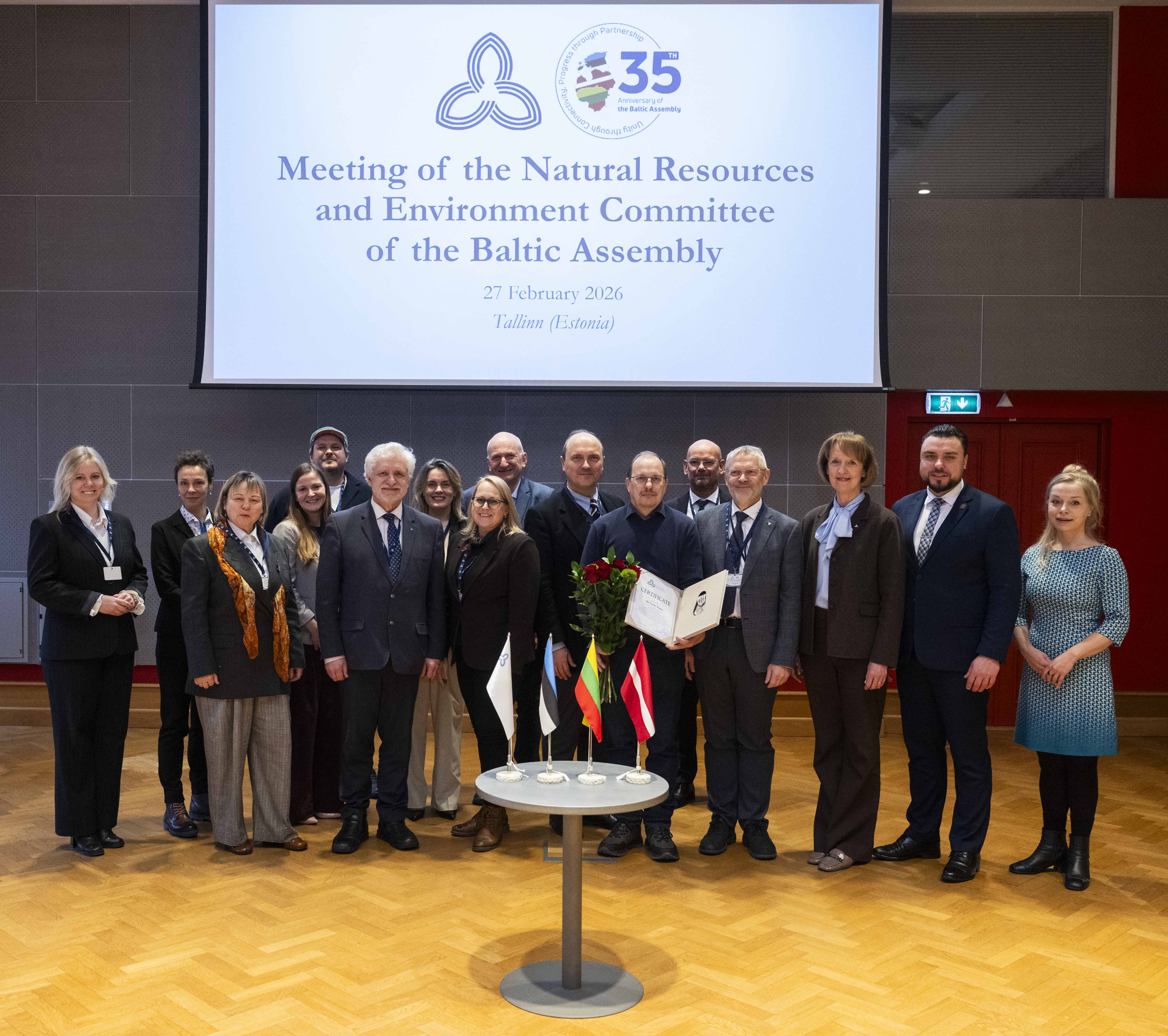
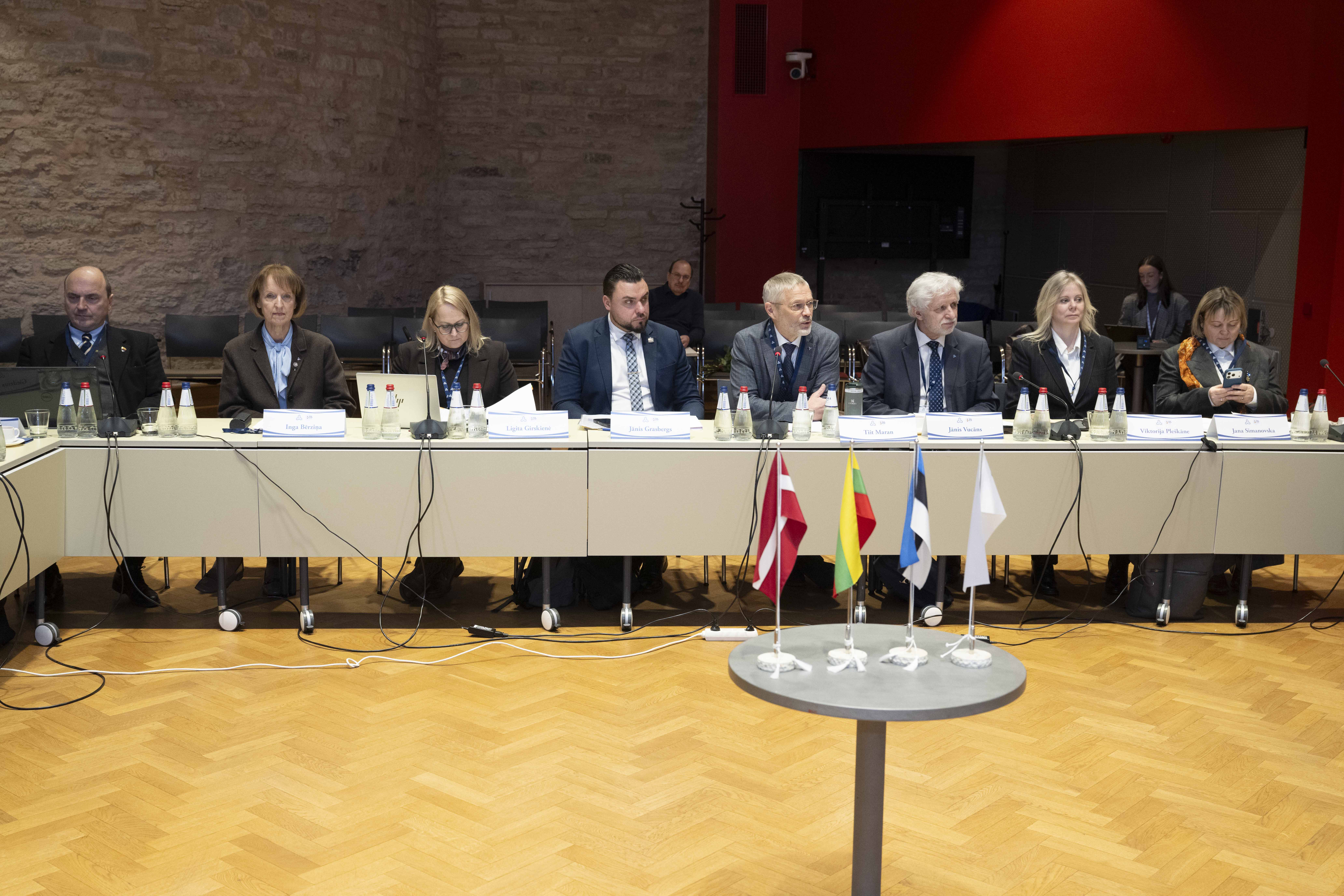
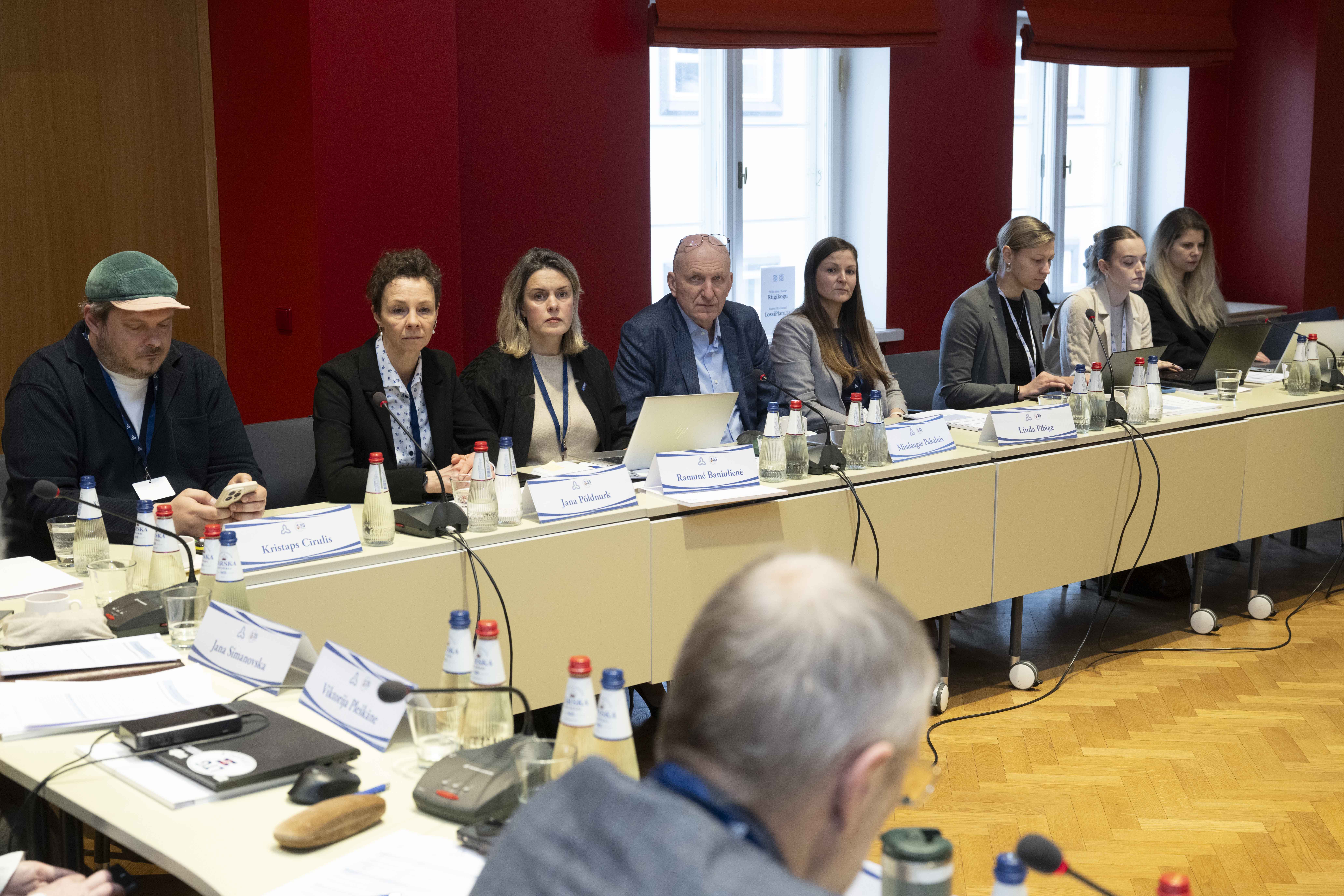
On 26-27 February 2026, the meeting of the Natural Resources and Environment Committee took place in Tallinn, Estonia. The meeting primarily touched on joining forces in environmental monitoring and research, and deepening cooperation in energy efficiency and sustainable urban development.
Joining forces of the Baltic States in environmental monitoring and research
Chaired by Tiit Maran, Chair of the Natural Resources and Environment Committee, the first session of the meeting focused on joining forces in environmental monitoring and research. Tiit Maran highlighted that by aligning efforts, the Baltic States can build a more comprehensive picture of their environment and respond more quickly to emerging risks. At the same time, it would allow them to make better and more efficient use of expertise and resources.
Kristaps Cīrulis, CEO and Partner at the Baltic Sustainability Awards, provided an introduction to the Baltic Sustainability Report, where he stressed that while there are strong examples, such as renewable energy projects, recycling programmes, deposit systems and others, the Baltic States are still behind in overall progress, with being on track to meeting only 12% of their targets and none of the UN Sustainable Development Goals by 2030. To mitigate this, he recommended that the Baltic States deepen cross-sector collaboration, stronger regulatory frameworks, greater innovation and technology adoption, among other things.
Jana Põldnurk, Head of the Climate Department of the Estonian Environment Agency, highlighted that environmental monitoring is essential for informed planning and requires strong regional cooperation. Environmental challenges are global and cross borders, especially in shared ecosystems like the Baltic Sea, so joint solutions are necessary. Cooperation between the Baltic States could improve data compatibility, enabling earlier detection of risks, such as the joint work on timely spring flood warnings.
Ramunė Baniulienė, Advisor of the Ministry of Environment of Lithuania, stressed that joint research reduces duplication and makes efforts more effective. Regionally, the Baltic States cooperate closely through HELCOM, LIFE programmes, and projects such as MUNIMAP on joint risk assessment of sea-dumped munitions. This means that marine cooperation is relatively strong, though gaps remain. While Lithuania is strengthening its national capacity, many challenges require deeper Baltic cooperation, including shared infrastructure and long-term funding.
Linda Fībiga, Project Manager, Department of Development and Projects of the Latvian Environment, Geology and Meteorology Centre, informed that in terms of cooperation, Latvia has formal agreements with Estonia on water management and hydro-meteorology, and other agreements with Lithuania covering groundwater monitoring and management, water quality monitoring, and hydro-meteorology. In the field of air and climate, there are no formal agreements, but cooperation takes place through the Baltic Sea region and EU initiatives.
Deepening cooperation of the Baltic States in energy efficiency and sustainable urban development
The second session of the meeting touched on deepening cooperation in energy efficiency and sustainable urban development. Tiit Maran stressed that urban areas are where energy use, emissions, and population density converge. However, they are also hubs of innovation and opportunity. By coordinating approaches and accelerating the adoption of energy-efficient technologies, the urban development of the Baltic States can also continue more cost-effectively.
Veronika Valk-Siska, Head of Housing Policy of the Ministry of Climate of Estonia, emphasised that housing and spatial policy must be rooted in two core values: the local community and the living environment. Preserving the diversity of the living environment is in the long-term interest of society. She noted that countries which set clear national goals in this regard, while leaving flexibility in implementation to local governments, tend to avoid conflicts. This flexible approach helps align nature restoration with environmental objectives, as well as with compact city strategies.
Ramunė Baniulienė introduced what the Lithuanian approach is regarding urban development and highlighted that at the Baltic level, the VASAB Vision 2040 sets a long-term territorial perspective for a vibrant, resilient, well-connected Baltic Sea Region. However, challenges remain: national systems differ, implementation is mostly local, and there are gaps in skills, data, and capacity, with no regular Baltic practitioner platform. Meanwhile, cross-border urban issues like mobility and climate adaptation lack shared data and evaluation systems.
Jevgēnija Butņicka, Director of the State Sustainable Development Planning Department of the Ministry of Smart Administration and Regional Development, Latvia, emphasised moving from national experience toward a joint Baltic framework for planning and capacity building, with coordinated urban planning, shared environmental monitoring and data systems, knowledge exchange, and regional training for urban planners and energy managers. She highlighted joint initiatives such as the LIFE LATESTadapt project with Estonia, which strengthens urban climate resilience, and that joint initiatives must be prioritised.
Rune Midtun, Member of the Committee for a Sustainable Nordic Region from the Nordic Council, stressed that cities are responsible for a large share of energy use and emissions, making them central to climate action. He highlighted that energy efficiency is one of the most cost-effective measures; for example, Norway has reduced its energy use significantly, proving that targeted policies work. Additionally, technological solutions now allow energy savings without reducing comfort, meaning that action must be taken, and since the Baltic and Nordic states share similar challenges and opportunities, cooperation is essential.
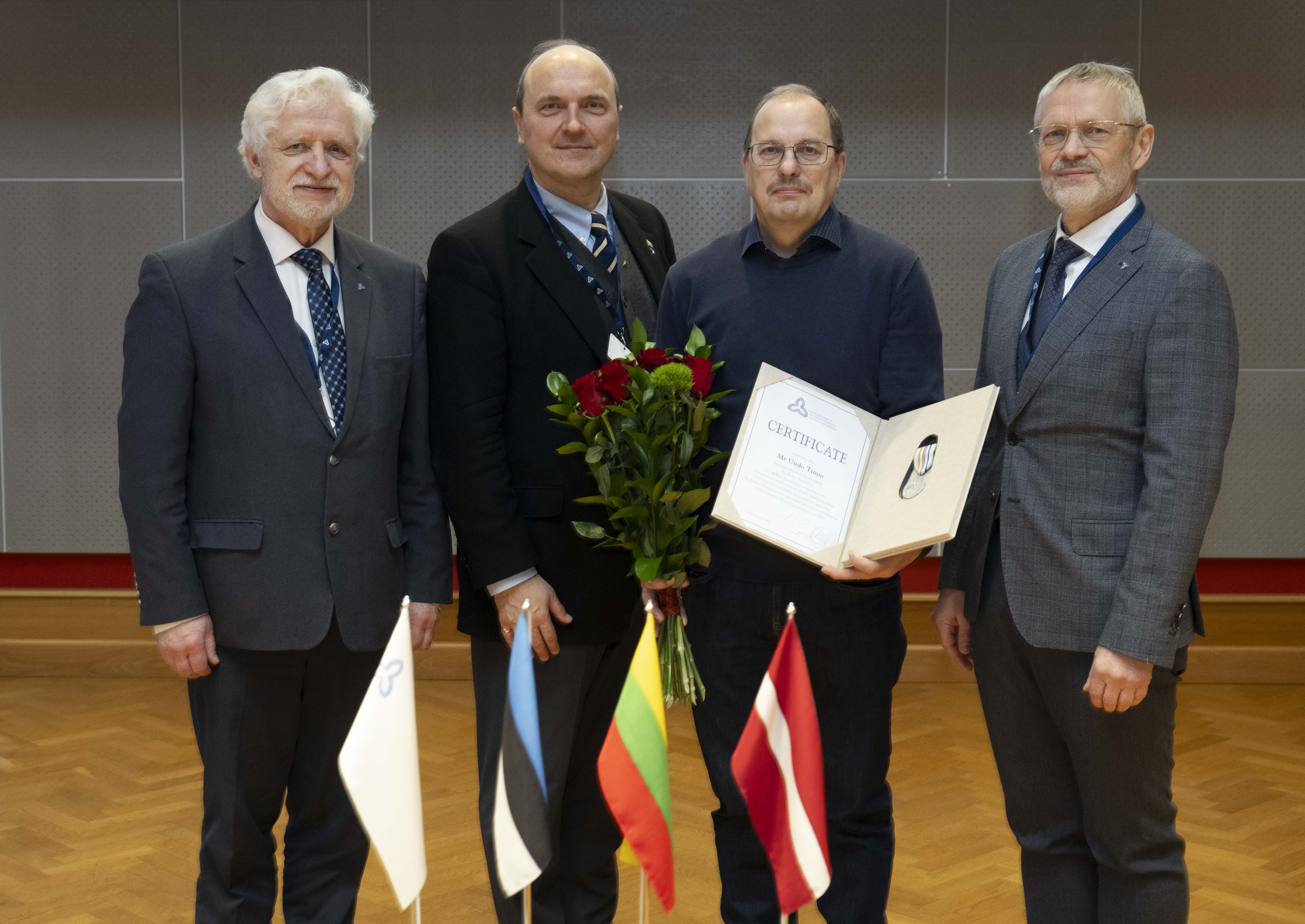
Additionally, during the meeting, the Baltic Assembly congratulated one of the recipients of the Baltic Assembly Medal for upholding the unity and cooperation of the Baltic States. The medal was presented to Uudo Timm, an Estonian zoologist, for promoting cooperation and communication between the Baltic States regarding nature protection and zoology, and for organising the Baltic Theriological Conferences since 1980.
Photos
© Erik Peinar, Riigikogu