Print
Print  Email link
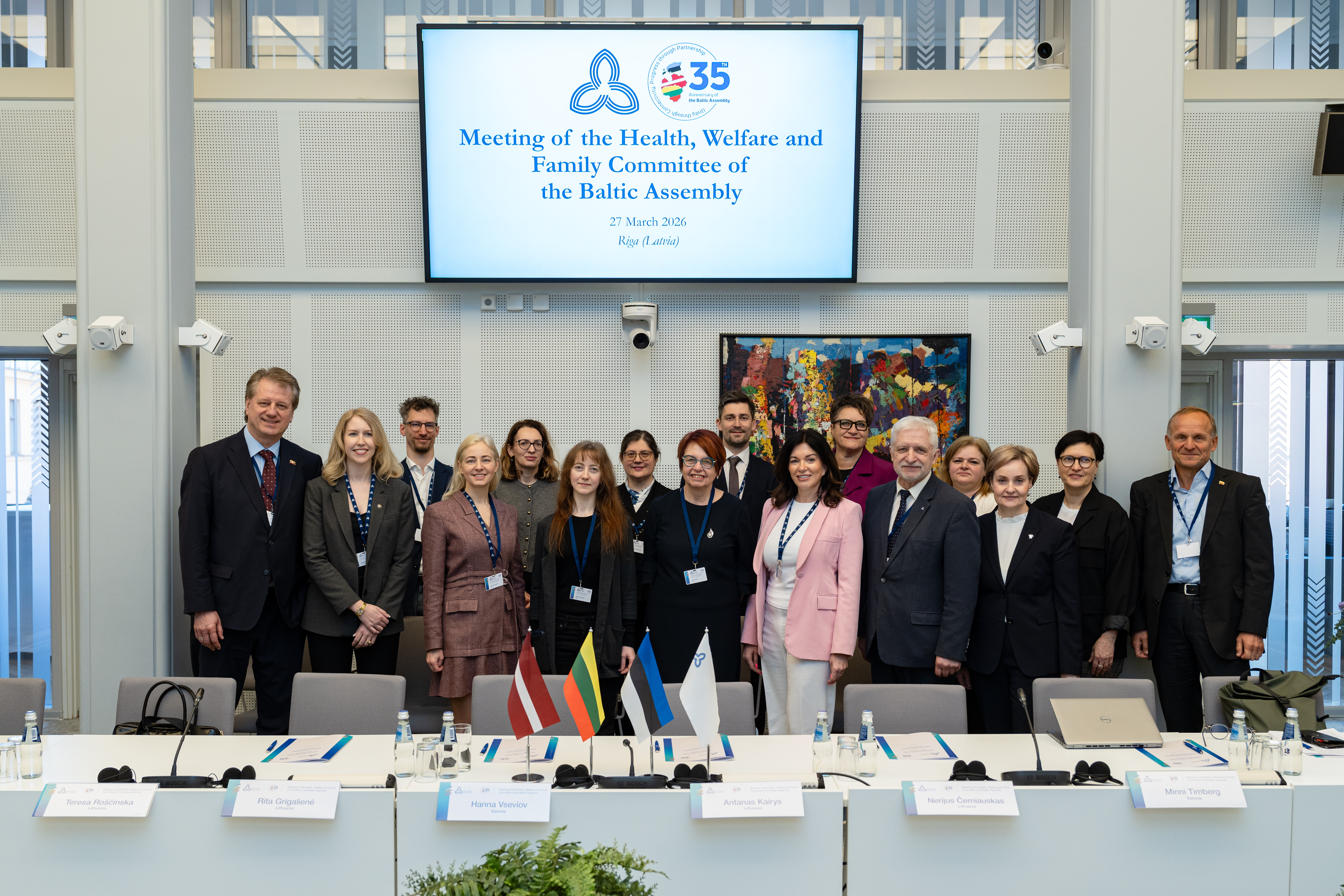
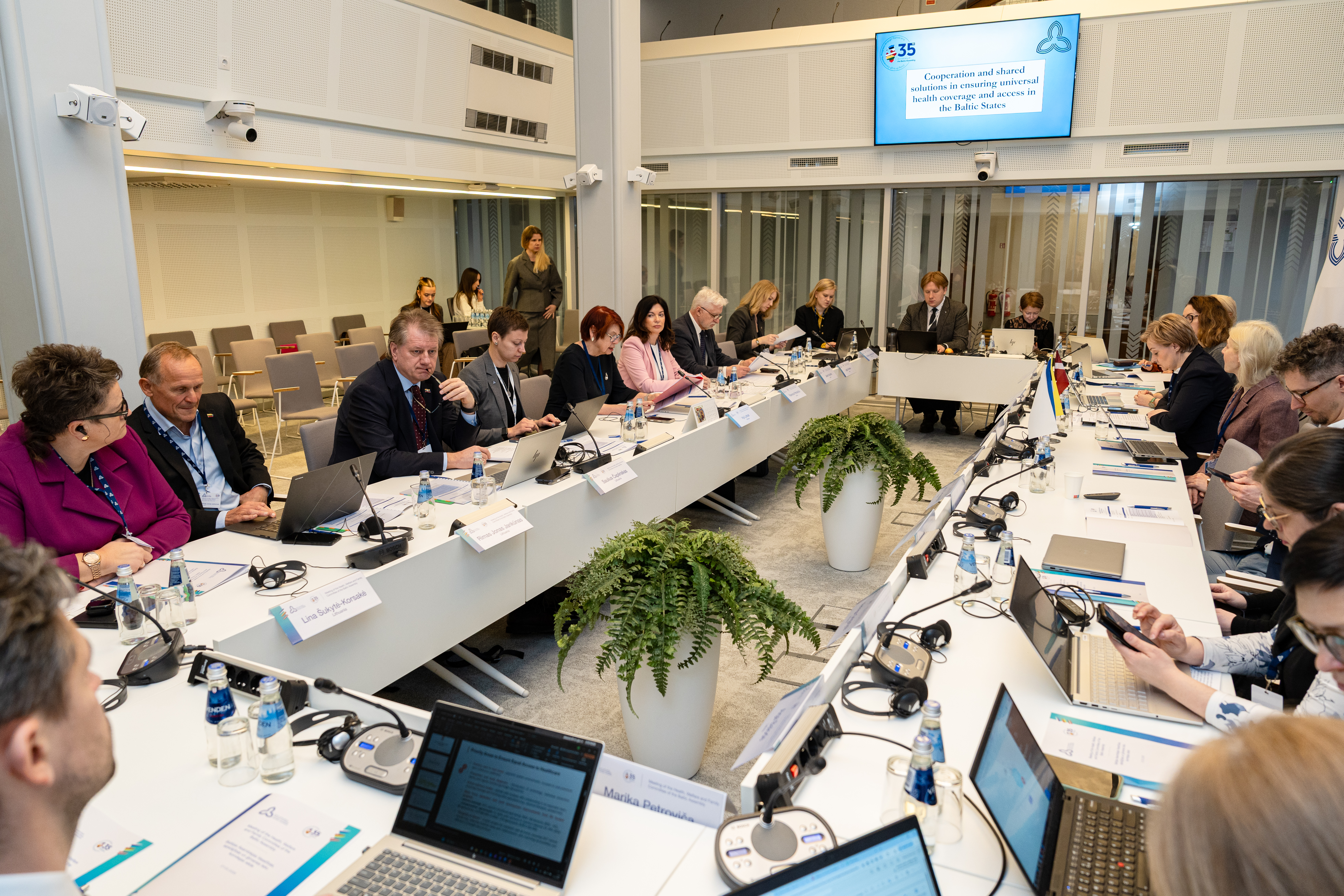
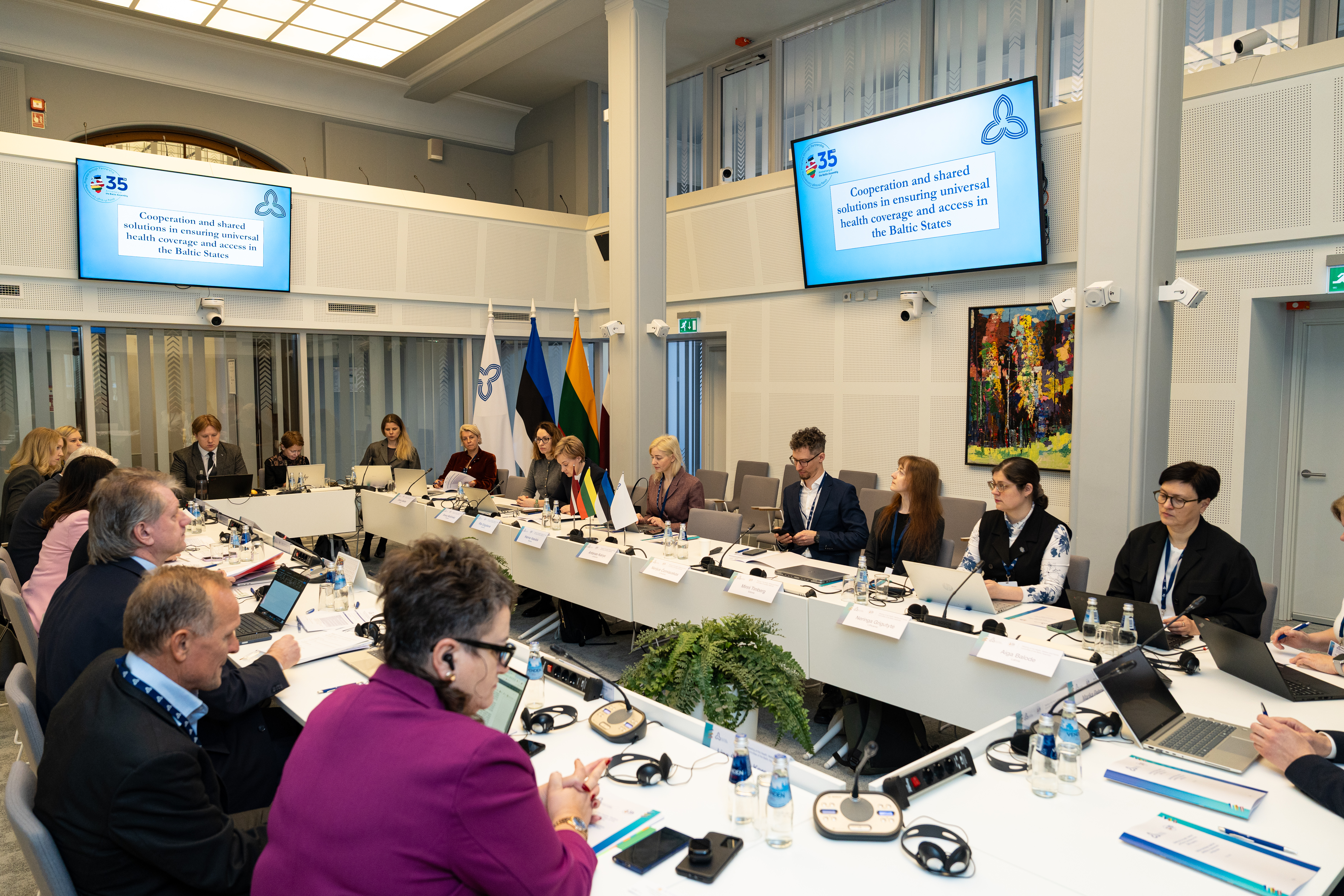
On 26-27 March 2026, the meeting of the Health, Welfare and Family Committee of the Baltic Assembly was held in Riga, Latvia. Discussions revolved around ensuring universal healthcare coverage, regional cooperation in addressing declining birth rates, and advancing solutions on mental health.
Cooperation and shared solutions in ensuring universal health coverage and access in the Baltic States
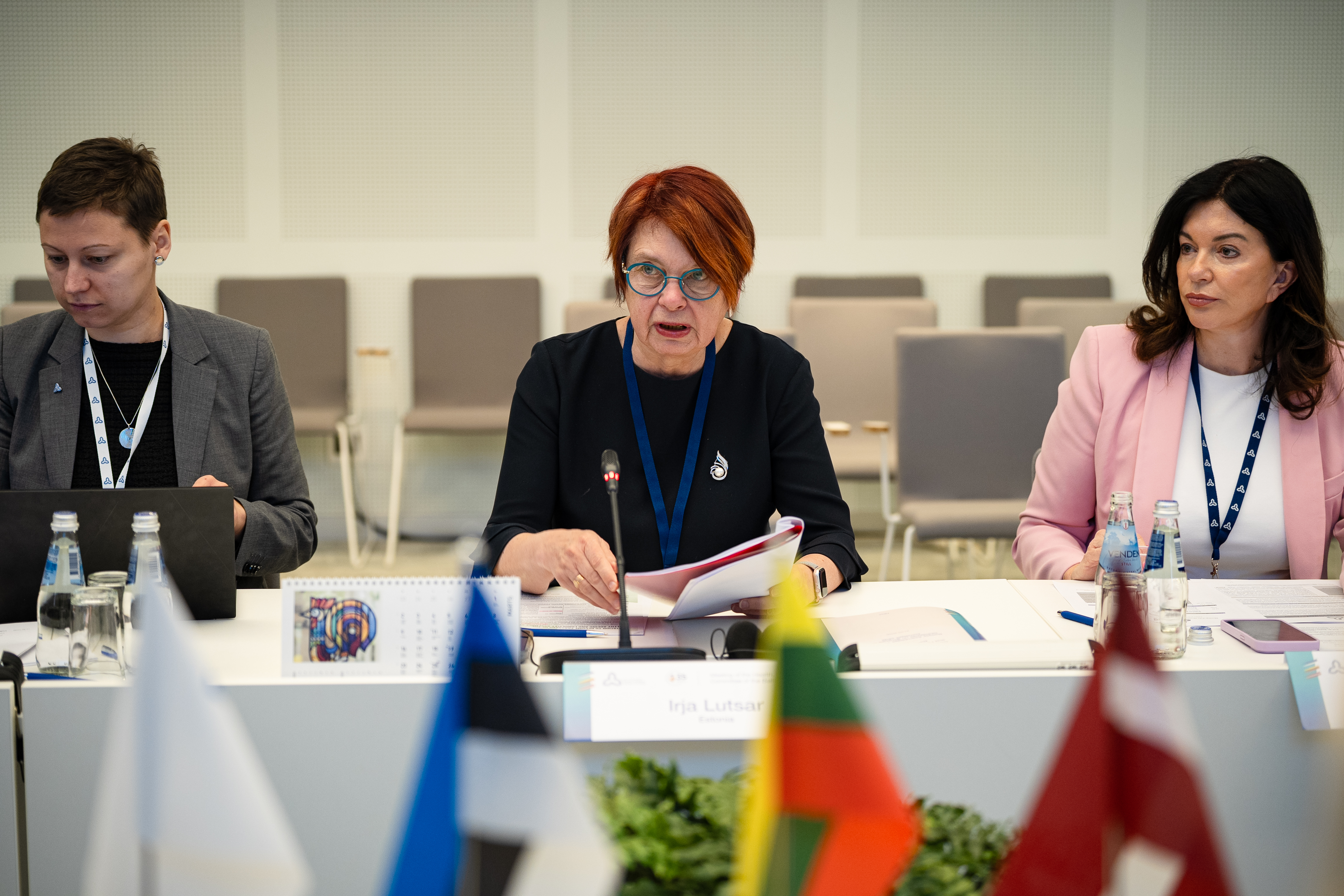
Chaired by Irja Lutsar, Chair of the Health, Welfare and Family Committee, the first session of the meeting focused on cooperation and shared solutions in ensuring universal health coverage and access in the Baltic States. Irja Lutsar emphasised that while the healthcare models of the Baltic States may differ in structure and financing, they are all confronted with similar pressures, from workforce shortages to regional inequalities in access to care. Meaning that cooperation is essential.
Nerijus Černiauskas, Adviser to the Minister of Health of Lithuania, stated that in Lithuania, health policy priorities focus on improving both the length and the quality of healthy life by strengthening the public healthcare system, with key goals that include maintaining healthcare services in regions, increasing nurses' wages, raising contributions to the national health insurance fund, and limiting privatisation. All essential healthcare must remain free when it is funded by public money, and providers are not allowed to charge additional fees for standard services.
Svens Henkuzens, Deputy State Secretary for Health Policy at the Ministry of Health of Latvia, stated that since the Baltic countries share similar healthcare challenges, they have cooperated through regional agreements and initiatives focusing on emergency services, medicines, and policy coordination. Key priorities include improving access to primary care in rural areas, strengthening prevention and early diagnosis, developing team-based care models, supporting healthcare workers, and introducing innovations such as hospital-at-home services, while further cooperation includes data sharing projects.
Baltic Population at a Crossroads: Regional Cooperation in Addressing Declining Birth Rates
The second session of the meeting was dedicated to regional cooperation in addressing declining birth rates. While opening the session, Irja Lutsar stressed that in the Baltic States, societies are ageing and that the consequences of this are far-reaching. Thus, all three countries must use this moment to rethink how they act.
Economist at the Faculty of Economics and Business Administration of Vilnius University, Nerijus Černiauskas, provided an introductory report on the effects of childbirth on parents’ earnings. He emphasised that in the Baltic States there is a gap between the earnings of men and women after childbirth, namely, the earnings of women go down by 80% in the first year, and the restoration after is slow. He added that the gap is driven by limited childcare access, long maternity leave, but very short paternity leave, and cultural attitudes that view increased female employment negatively.
Hanna Vseviov, Vice Chancellor of Social Affairs at the Ministry of Social Affairs of Estonia, noted that the Baltic States invest less in social protection than the EU average. She emphasised that while policies such as parental benefits and fertility treatment have a positive effect, no single measure can reverse the trend, so a comprehensive approach is needed that supports economic stability, housing, work and family balance, while also respecting individual choice.
Rita Grigalienė, Vice-Minister of Social Security and Labour of Lithuania, stated that there is no single solution regarding declining birth rates. Family policy is a cross-governmental priority in Lithuania with many measures across sectors such as education, health, housing, employment, and others. She stressed the importance of stronger regional cooperation through regular exchange of experience and data, noting that countries do not need identical systems but can benefit from shared discussions and more practical collaboration.
Diāna Jakaite, Deputy State Secretary at the Ministry of Welfare of Latvia, explained that Latvia has experienced a population decline since 1995, although larger families with three or more children have become more common due to targeted support. She noted that Latvia is focused on supporting every child through financial aid, housing, and childcare services, highlighting that a comprehensive approach and strong early childcare systems are essential.
Together for Well-Being of the Baltic States: Advancing Mental Health Through Regional Cooperation
The third session of the meeting touched on advancing mental health through regional cooperation. Irja Lutsar stressed that across the Baltics, more people are struggling with their well-being. All three countries face similar gaps in prevention, early intervention, and access to care, as well as a growing demand and not enough professionals to respond. Meaning that cooperation is essential in this regard.
Professor at the Faculty of Philosophy of Vilnius University, Antanas Kairys, provided an introductory report on associations between psychological well-being and depressive symptoms among older adults in the Baltic States. He stated that at the EU level, the Baltic States show a worrying trend in this regard. Key solutions include improving access to healthcare and strengthening social support, such as inclusion and communication opportunities, to reduce loneliness.
Minni Timberg, Head of Mental Health Policy at the Ministry of Social Affairs of Estonia, explained that mental health challenges are increasing at the population level, including higher stress, loneliness, and related conditions, with women and girls being more affected due to risk factors such as low income and a widening gender gap. She noted that Estonia is developing prevention systems, including a stepped care model for anxiety and depression, and a mental health in all policies approach involving health, social, and education sectors.
Neringa Grigutytė, Adviser to the Minister of Health of Lithuania, stressed that Lithuania continues to face serious mental health challenges, with depression as a key issue and growing concerns related to screen use and social media among young people, while broader factors such as financial insecurity also contribute. She noted that although overall suicide rates are declining, they remain higher among older adults, especially those aged 80 and above, and emphasised the importance of clear priorities, prevention, and community-based support.
Aiga Balode, Deputy State Secretary on Digitalisation and Change Management Issues at the Ministry of Health of Latvia, stated that Latvia has developed a network of psychiatric hospitals and adolescent resource centres, while emphasising that mental health is a critical issue requiring urgent action. She highlighted ongoing initiatives in prevention, education, and support services, along with efforts to expand services through methodological guidance.
Additionally, international experience was provided by Kristine Løfshus Solli, Member of the Committee for Welfare in the Nordic Region of the Nordic Council. She emphasised that mental health challenges are worsening after the COVID-19 pandemic, and highlighted that Nordic cooperation focuses on early intervention, cross-sector collaboration, and knowledge sharing, supported by institutions such as the Nordic Welfare Center. She noted that many challenges are transnational due to digital environments and social media, and called for stronger Nordic-Baltic cooperation in research, data sharing, and other domains.
Photos
© Reinis Inkēns, Saeima