Print
Print  Email link
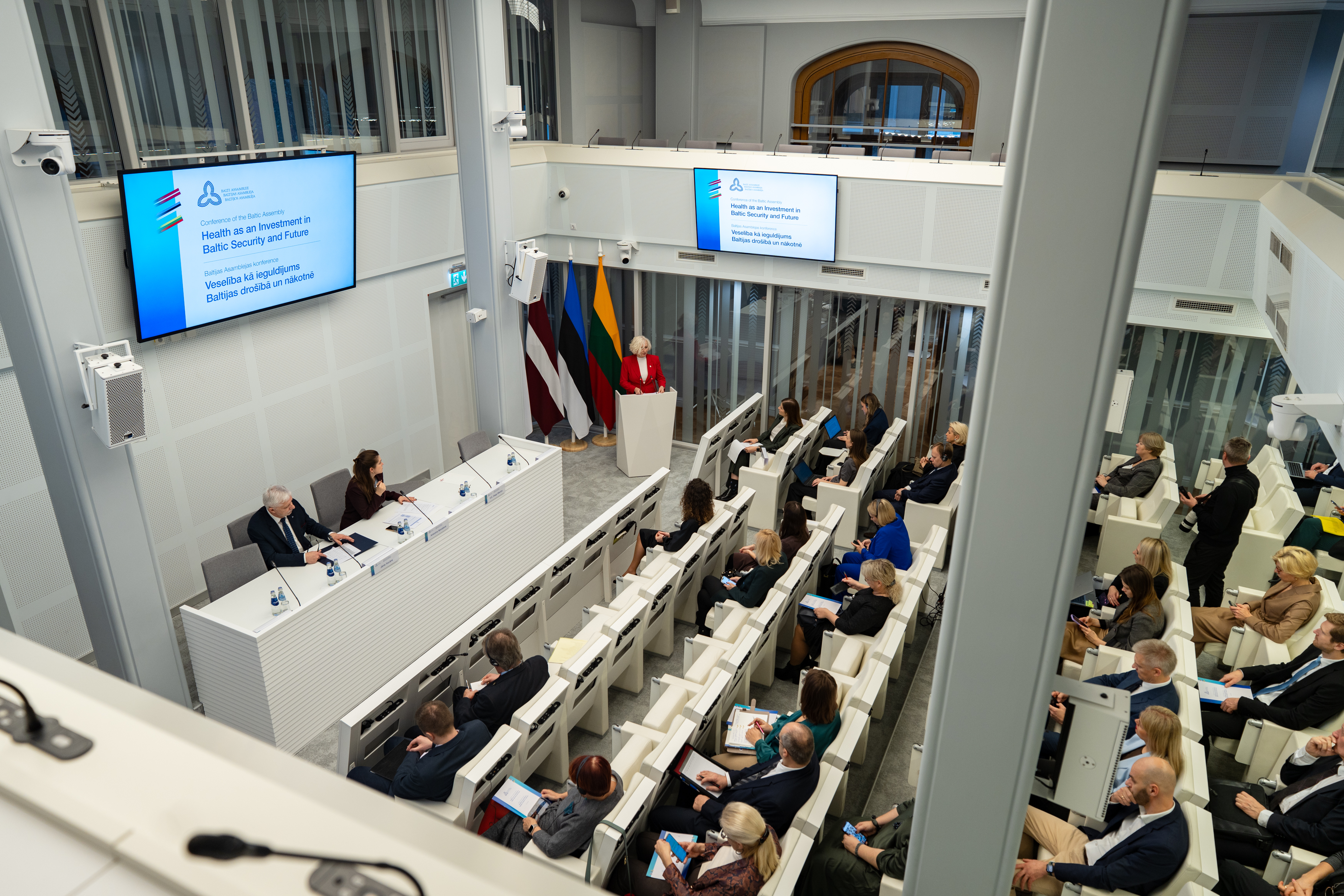
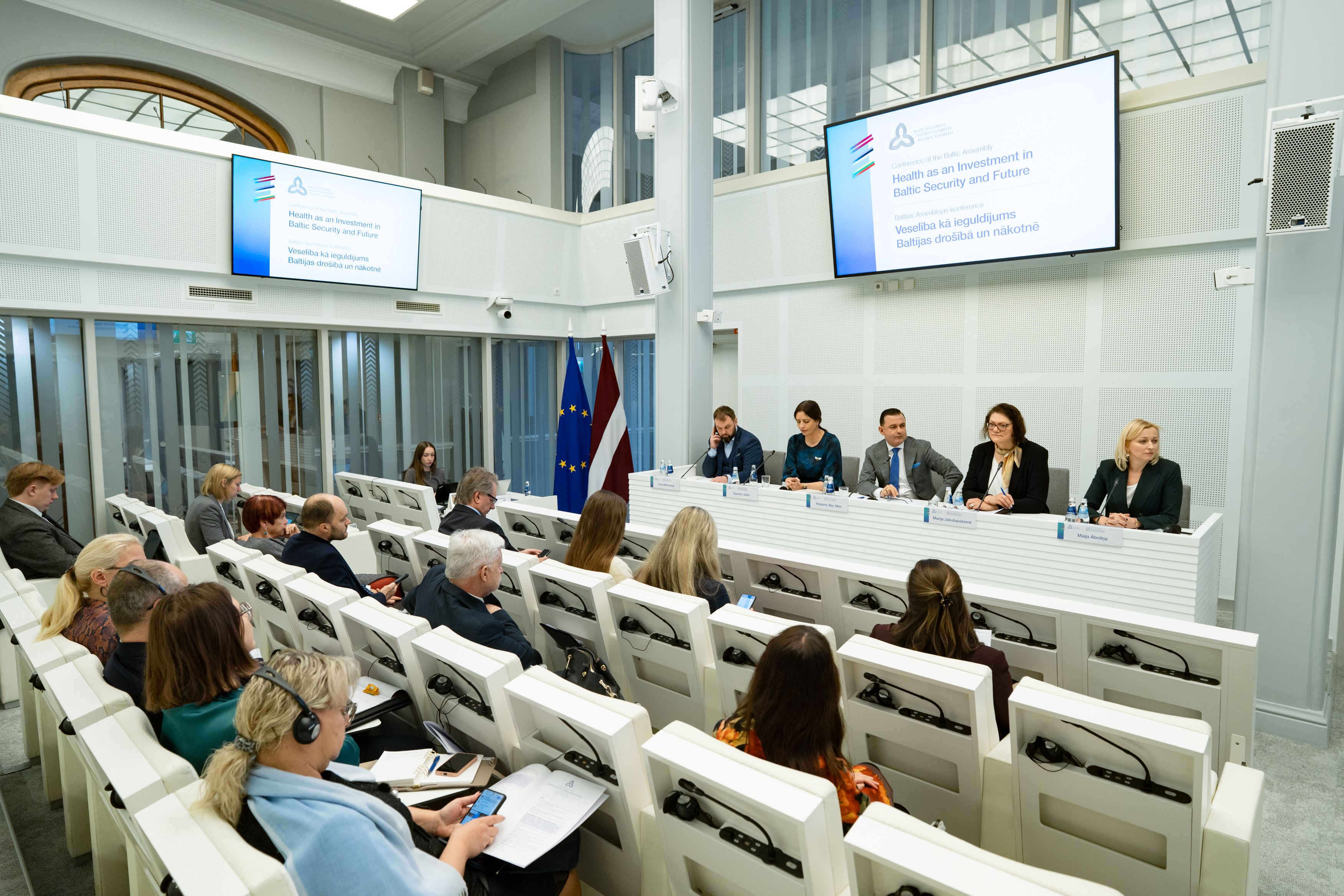
On 12 December 2025, the Conference of the Baltic Assembly “Health as an Investment in Baltic Security and Future” was held in Riga.
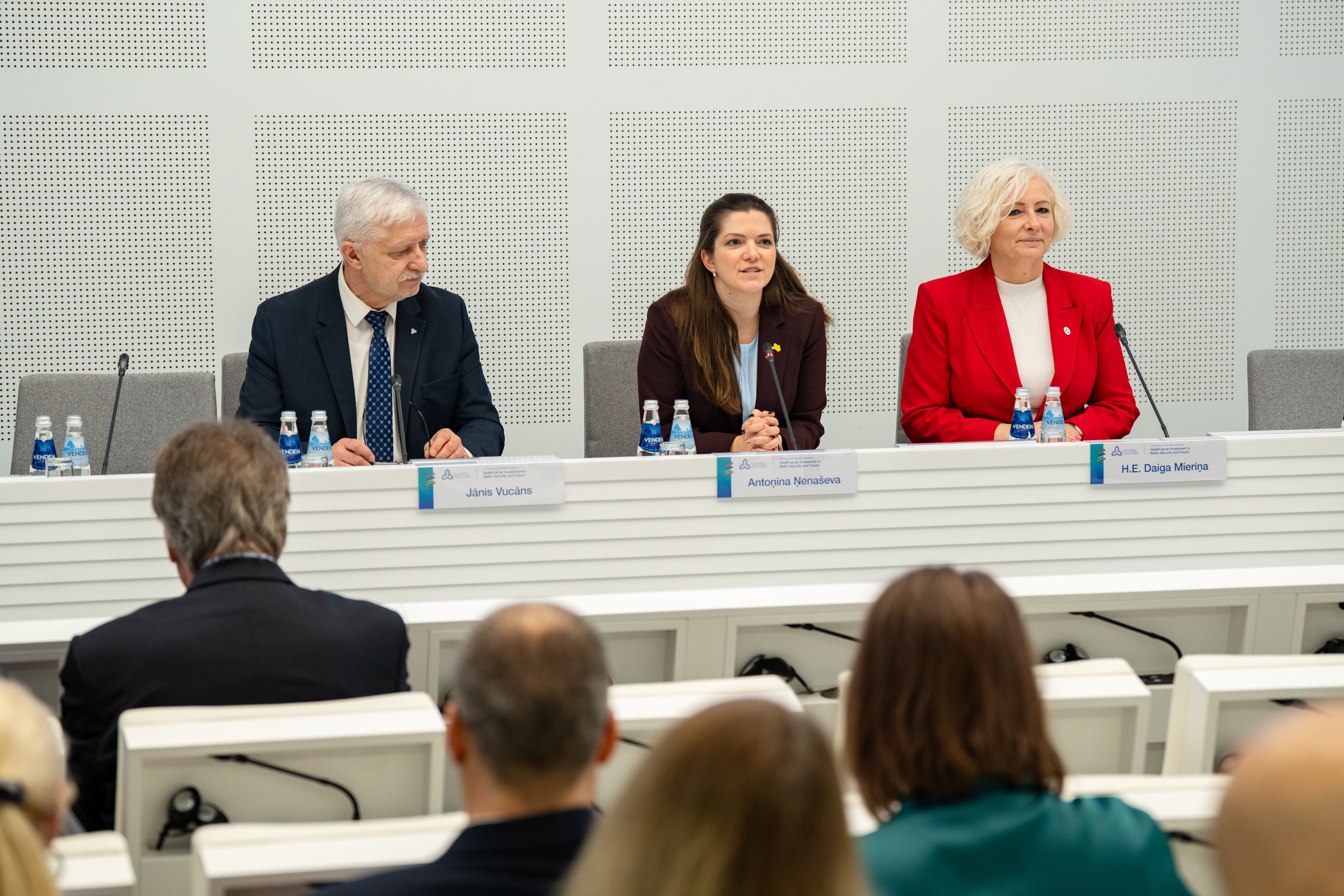
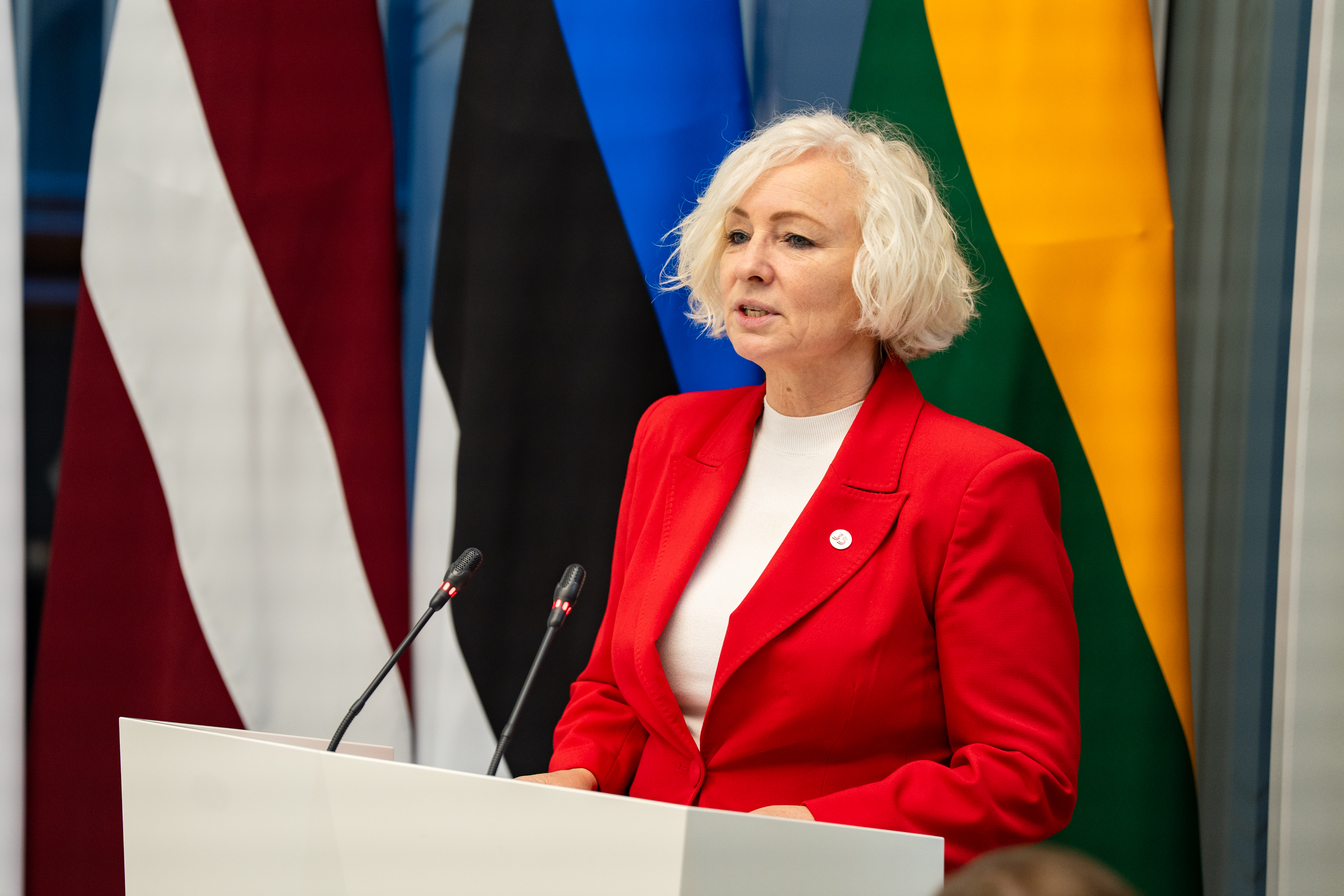
During the opening session, the Speaker of the Saeima of Latvia Daiga Mieriņa emphasised that healthcare plays a crucial role in the security of the Baltic region and the civil protection of every country: “There is still a war going on in Europe. We are faced with hybrid attacks every day, now in all European Union member states. Hospitals and the healthcare system must be prepared for geopolitical shocks to be able to function fully at X hour”.
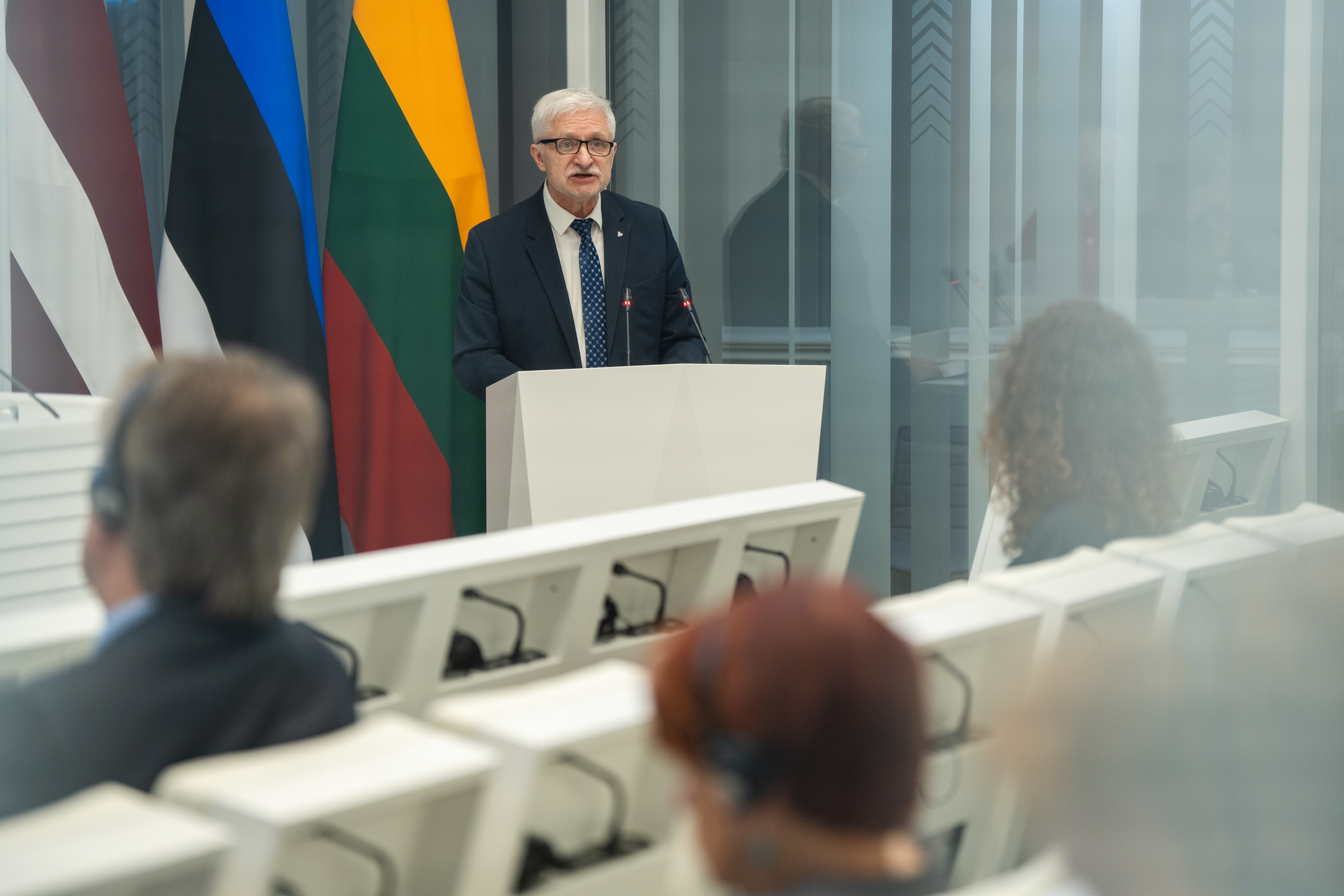
President of the Baltic Assembly Jānis Vucāns stated that the Baltic Assembly has long emphasised that the Baltic States need closer integration in several healthcare areas, encouraging the governments to implement joint cross-border initiatives. Pooling resources from the region can help create a high-quality and cost-effective healthcare system for the entire Baltic region.
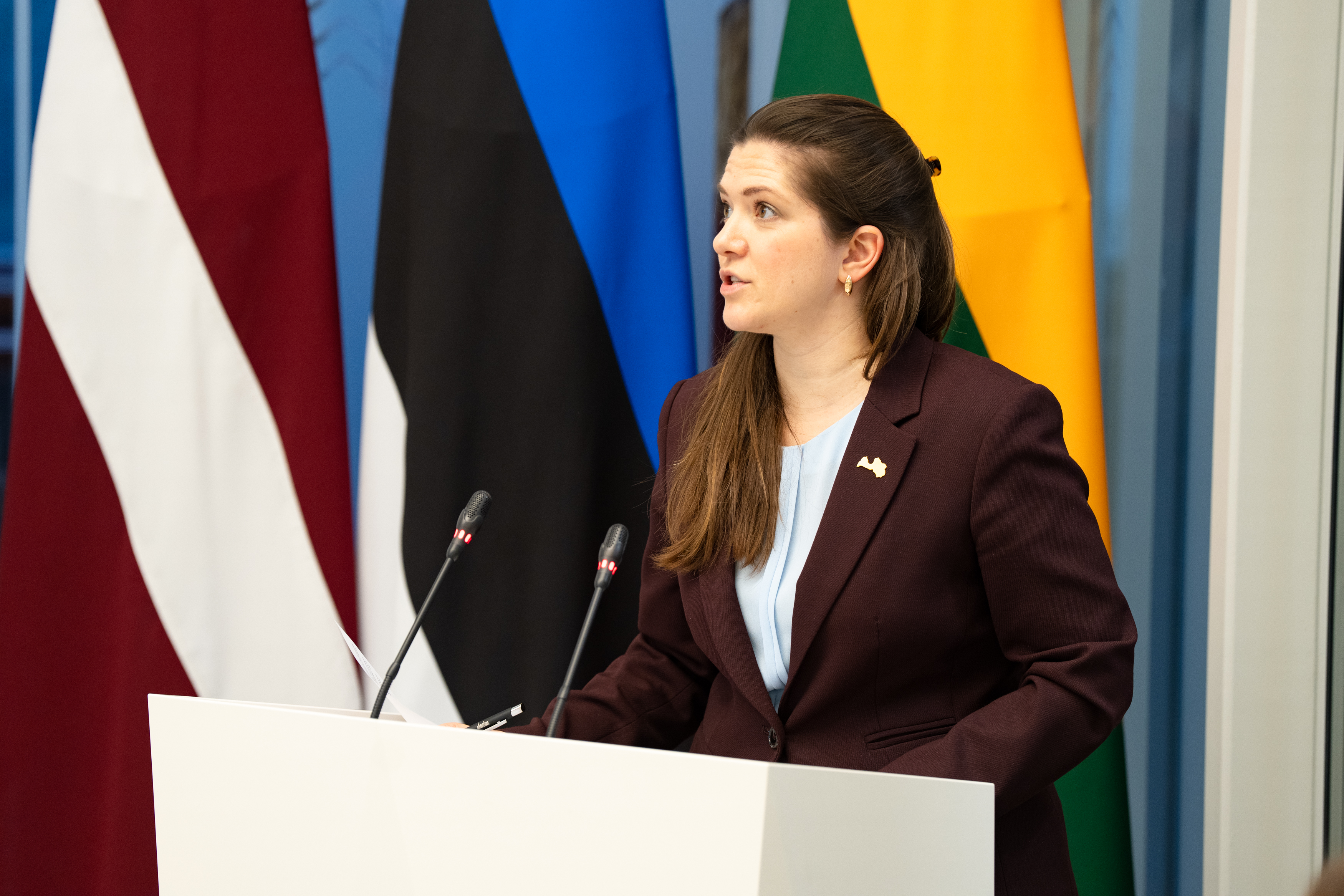
Chair of the Health, Welfare and Family Committee of the Baltic Assembly Antoņina Ņenaševa highlighted that health is a powerful long-term investment that can contribute to the security and future of the Baltic region. She emphasised that a healthy society strengthens economic resilience, supports institutions, and reduces vulnerability to crises, making this a strategic priority.
Head of Health Economics of the WifOR Institute Dr Malina Müller stressed that in 2023, health care spending in the Baltic States remained significantly below the EU average, but, while the EU allocated around 10% of its GDP to health care, the Baltic States spent only around 7.4%, a gap of approximately 26%. Since then, this share has declined even further. This underinvestment has real consequences for the population, most notably in life expectancy. She recommended that the Baltic States prioritise health as an investment and move towards long-term budgeting, faster access to innovation, and increased data exchange.
Understanding the social and economic value of health
The first session of the Conference, moderated by Elīna Vrobļevska, Lecturer at the Faculty of Social Sciences of the Rīga Stradiņš University, focused on examining the social and economic value of health, with particular attention to the Baltic States. It explored how the burden of disease affects economic performance and employment, how the public value of healthcare can be assessed and how such considerations can be better integrated into policy-making.
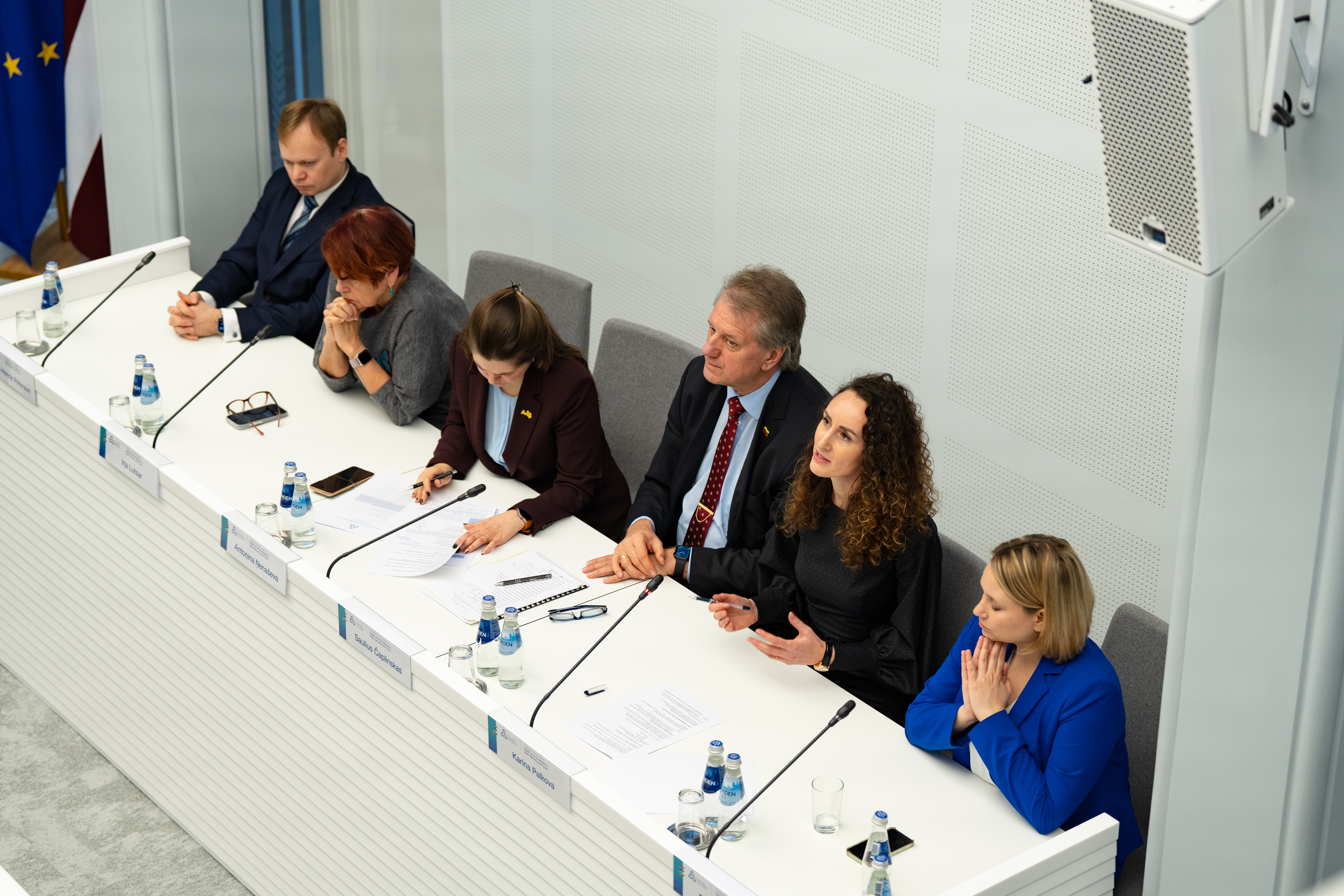
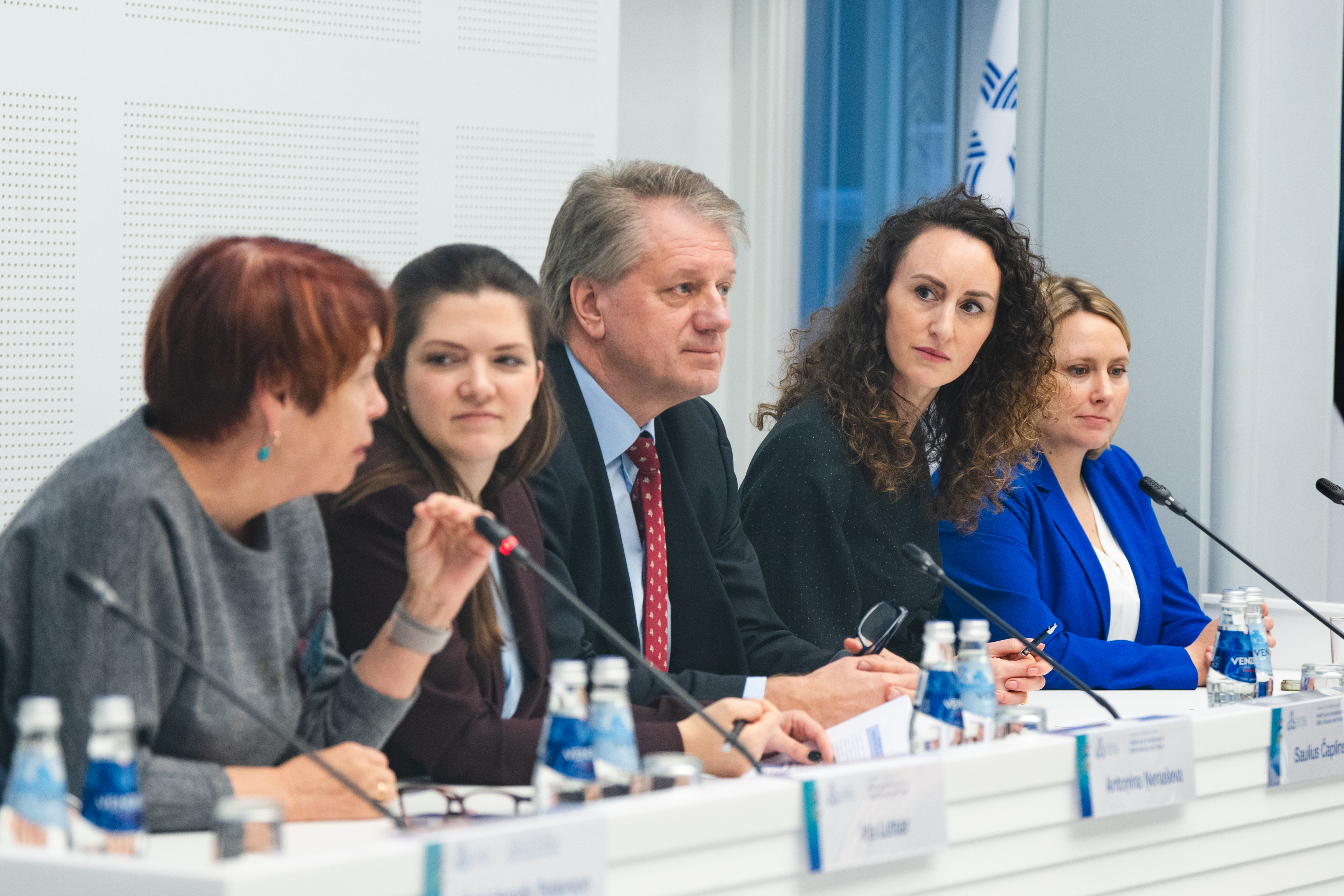
Leaders of the Health, Welfare and Family Committee of the Baltic Assembly contributed to the discussion by agreeing that considerable work must be done in this case. Chair Antoņina Ņenaševa highlighted that the key challenge is to plan health budgets around cost-effectiveness, supported by data and strengthened Baltic cooperation. Vice Chair Irja Lutsar added that decisions on health policy must not be based on emotion, but rather on knowledge, which means that cooperation between the Baltic States in data exchange is essential. However, Saulius Čaplinskas stressed that more funding must be allocated toward joint procurement and studies concerning the health sector.
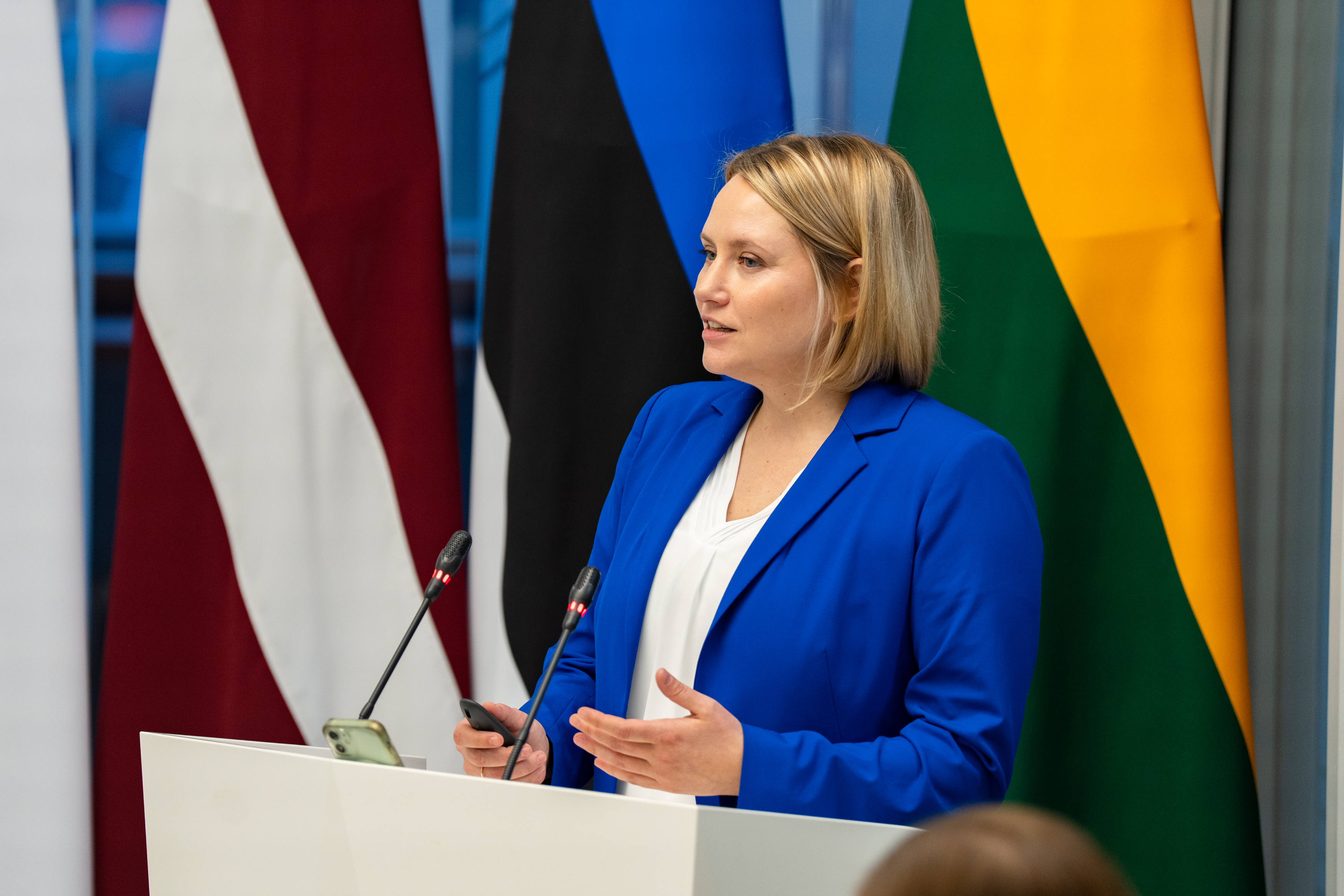
Ombudsperson of Latvia Karina Palkova stressed that while health is often framed as an economic investment, it is first and foremost a fundamental human right and a legal obligation of the state. Placing the right to health at the centre of policy-making is essential for understanding its true value and for strengthening patient-centred approaches, including through closer Baltic cooperation.
Interim CEO of the Estonian Health Insurance Fund Karl-Henrik Peterson highlighted that the true value of health is often underestimated, as unpaid care and the human dimension of healthcare remain largely invisible in economic assessments. A small share of patients accounts for a disproportionate use of healthcare resources, making targeted investment both necessary and effective; therefore, health policy must increasingly be framed in the language of long-term investment and innovation.
Chief Economist at the Bank of Latvia Oļegs Krasnopjorovs emphasised that the quality of a healthcare system has a direct and measurable impact on economic performance through higher productivity and employment. Thus, improved health not only boosts productivity and incomes but also sustains a larger and more active workforce and supports long-term economic growth.
Overall, demographic decline, workforce shortages in primary care and ageing populations emerged as shared Baltic challenges, underscoring the need for deeper regional cooperation and for viewing health not as a cost, but as a core driver of economic and social resilience.
Path towards a socially responsible health policy
The second session of the Conference, moderated by Elīna Vrobļevska, examined how data can be more effectively transformed into policy instruments, with a particular focus on strengthening Baltic cooperation and data governance. It also explored how public value approaches can be integrated into budgeting and pricing decisions, as well as the barriers to introducing innovation in health policy and the financing mechanisms that have proven effective in the Baltic States.
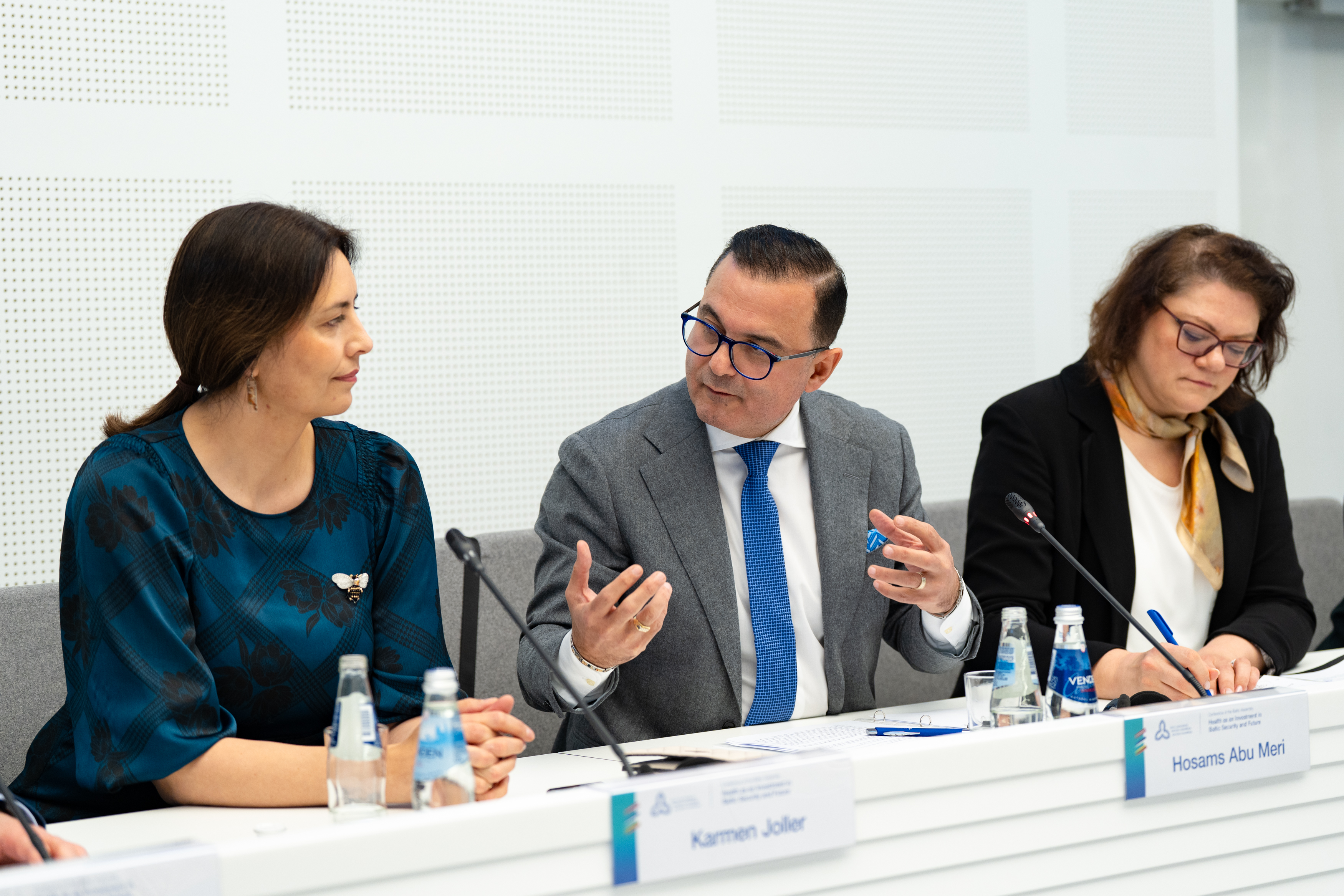
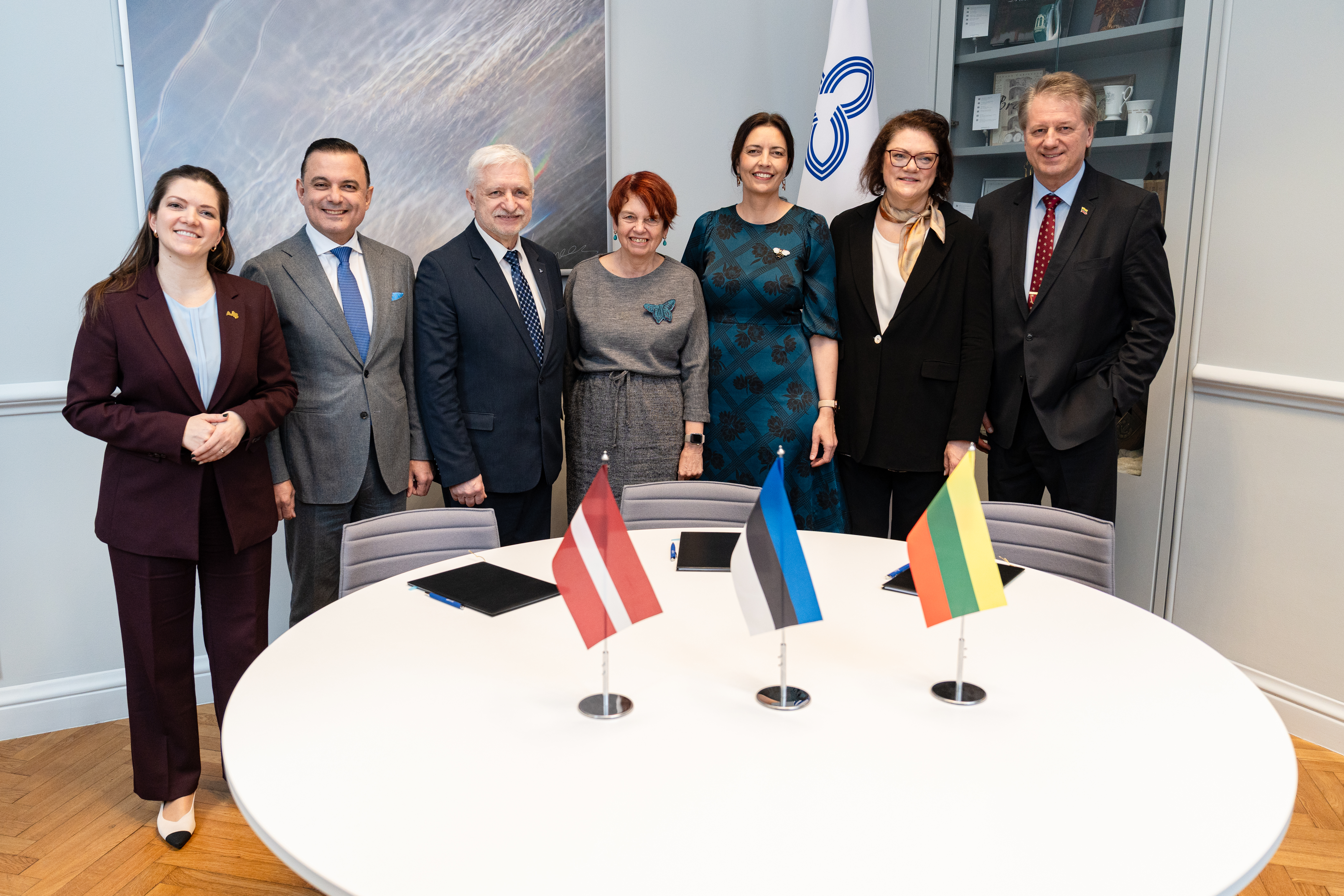
Minister of Health of Latvia Hosams Abu Meri highlighted recent progress in Baltic cooperation in the field of healthcare, including the signing of the Memorandum of Understanding on the Cooperation in the Supply of Blood and Blood Components, Equipment and Materials. He also underlined the central role of data in modern health policy, as well as improved digital and health data literacy.
Minister of Social Affairs of Estonia Karmen Joller noted that while Estonia has long been seen as a leader in e-governance, it is important to continue innovation and cooperation. She emphasised that deeper connectivity between e-health systems, building on existing cross-border solutions such as e-prescriptions, as well as enabling the secondary use of health data, is key to advancing data sharing and unlocking its potential for research, innovation and science.
Minister of Health of Lithuania Marija Jakubauskienė emphasised that data forms the foundation of effective decision-making and that close cooperation in governance, funding and policy design is essential. While there are existing practical examples of how the Baltic States can work together, sharing indicators, methodologies, testing frameworks and information flows could strengthen evidence-based health policy.
Council Member of the State Audit Office of Latvia Maija Āboliņa pointed out that a central challenge in health policy planning and implementation lies in balancing health as a fundamental social right with limited financial resources. Thus, the principle of equality often comes into tension with differing needs and expectations among patient groups, creating difficult trade-offs in how healthcare resources are allocated. The right to health begins with a clear definition of minimum healthcare guarantees.
Chairman of the Latvian Alliance for Rare Diseases Juris Beikmanis highlighted the need for a clearer European and Baltic-level vision on access to treatment for rare diseases, including consideration of dedicated funding mechanisms. Although rare diseases affect a significant share of the population, small states face challenges in ensuring support, making knowledge-sharing and cooperation essential.
At the end of the Conference, Antoņina Ņenaševa shared the key conclusion with the participants: better health generates wealth, and wealth can help bring security, welfare and development to the Baltic region. For this reason, there is a need to rethink how healthcare expenditures are perceived and to place greater emphasis on evidence-based decision-making. This requires more accessible and higher-quality data, accelerated innovation and stronger cooperation in healthcare research. By learning from one another and learning together, the Baltic States can turn shared challenges into collective strength.
Photos
© Ieva Ābele, Saeima