Print
Print  Email link
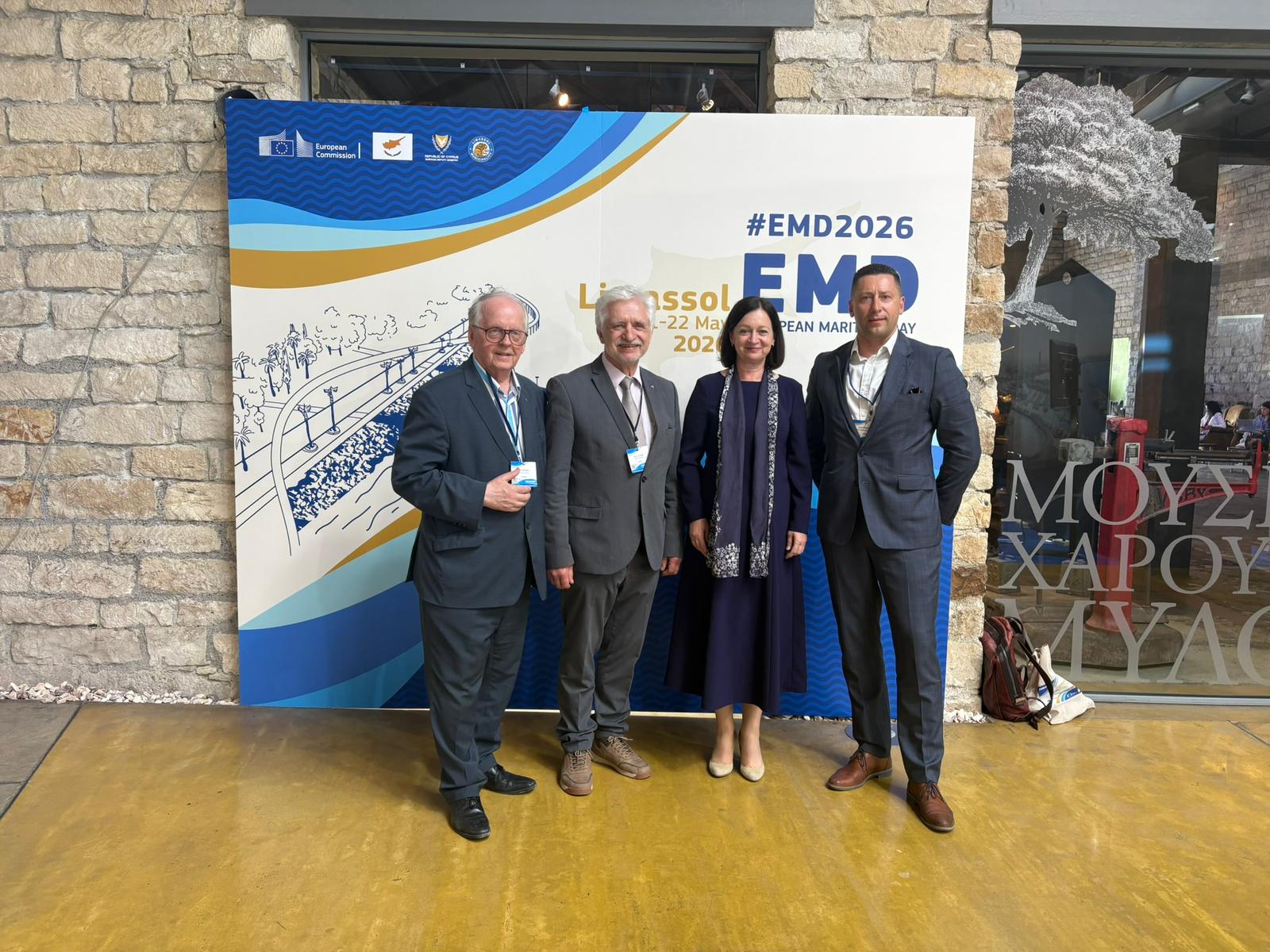
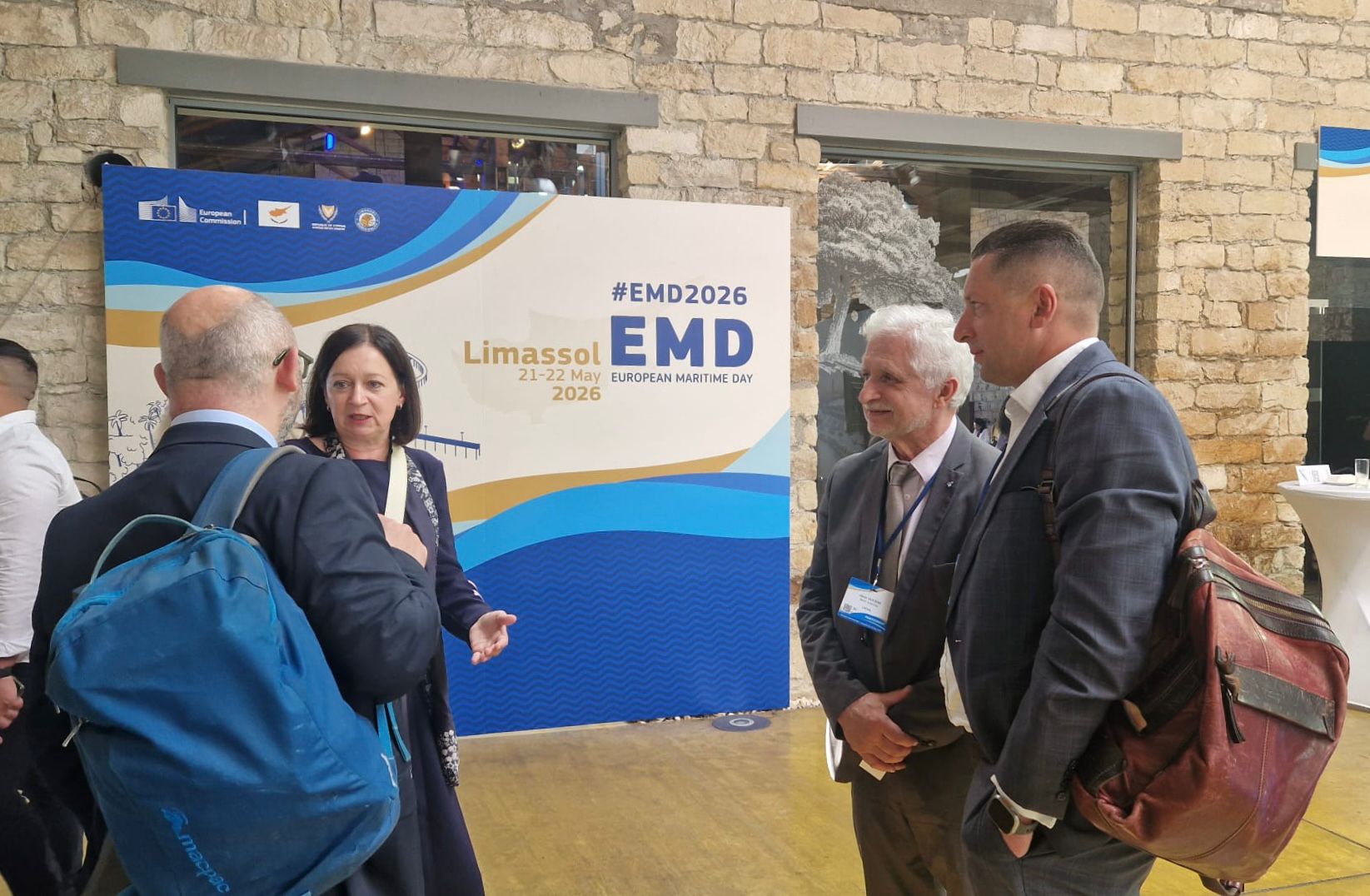
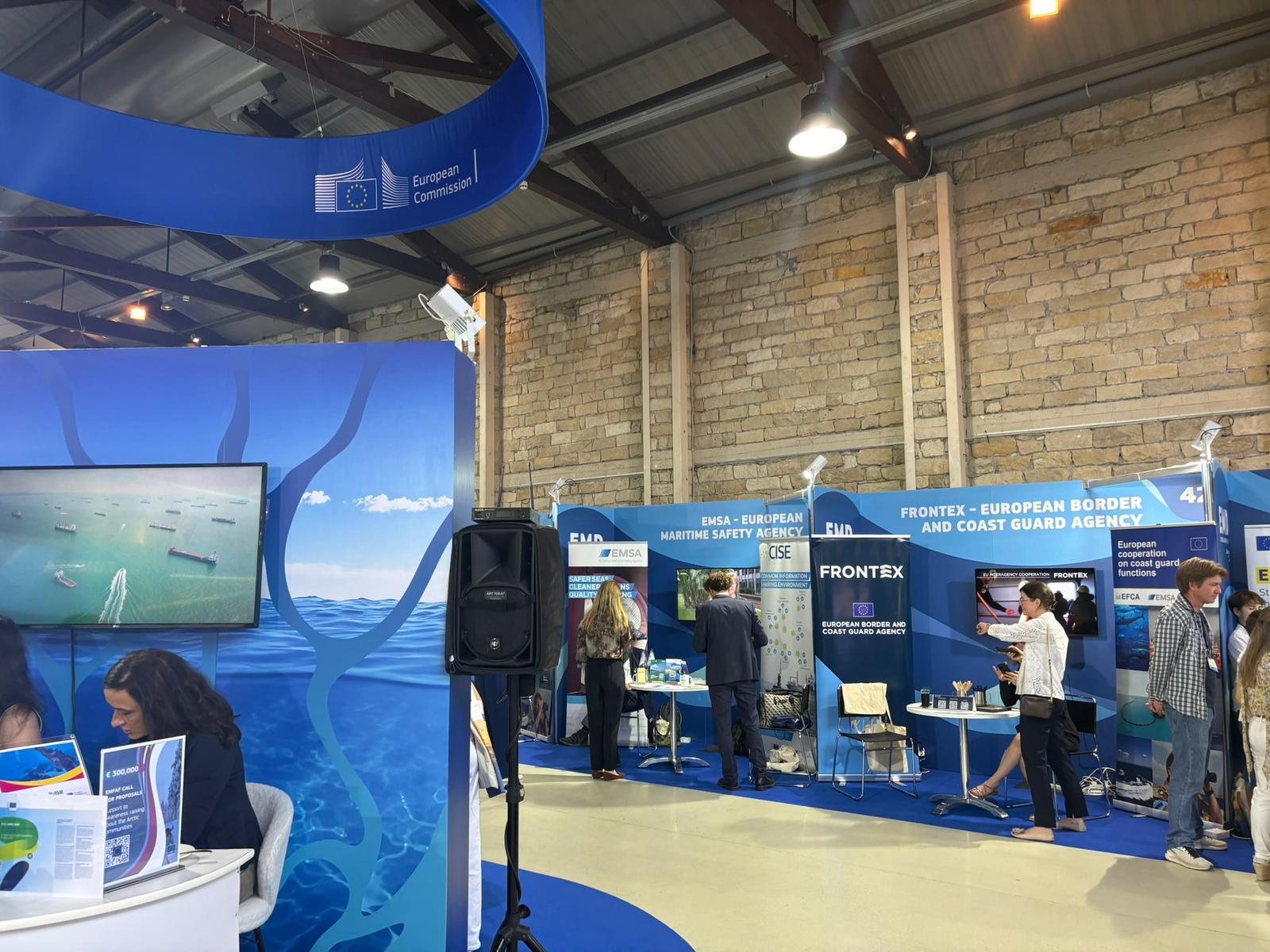
On 21-22 May 2026, Baltic parliamentarians attended the annual European Maritime Day, which was held in Limassol, Cyprus. During the event, the maritime community of Europe had the possibility to network, discuss and outline joint action on maritime affairs and sustainable blue economy. At the meeting, the delegation of the Baltic Assembly consisted of the Vice President of the Baltic Assembly Jānis Vucāns and Member of the Presidium Enn Eesmaa.
Commissioner for Fisheries and Oceans of the European Commission Costas Kadis opened the event by stating that Europe's relationship with the sea has always been one of adaptation – from commerce to conservation, from tradition to innovation. This adaptability was also evident when the European Ocean Pact was adopted. After adoption, decisive steps have been taken to strengthen the maritime sector: from boosting industrial competitiveness and port resilience, to preparing for the future of fisheries and aquaculture through evaluation that will be followed by the long-term Vision for 2040. “But legislation alone is not enough. Maritime regional cooperation is essential - across sea basins and beyond our borders,” he concluded.
Many important topics were discussed, including the role of the future Multiannual Financial Framework in supporting the implementation of the Ocean Pact, strengthening Europe’s blue industrial leadership, enhancing maritime security cooperation and surveillance, supporting coastal communities and islands, advancing blue economy sectors, ensuring food security, promoting sustainable and competitive EU fisheries and aquaculture, and the development of “OceanEye”.
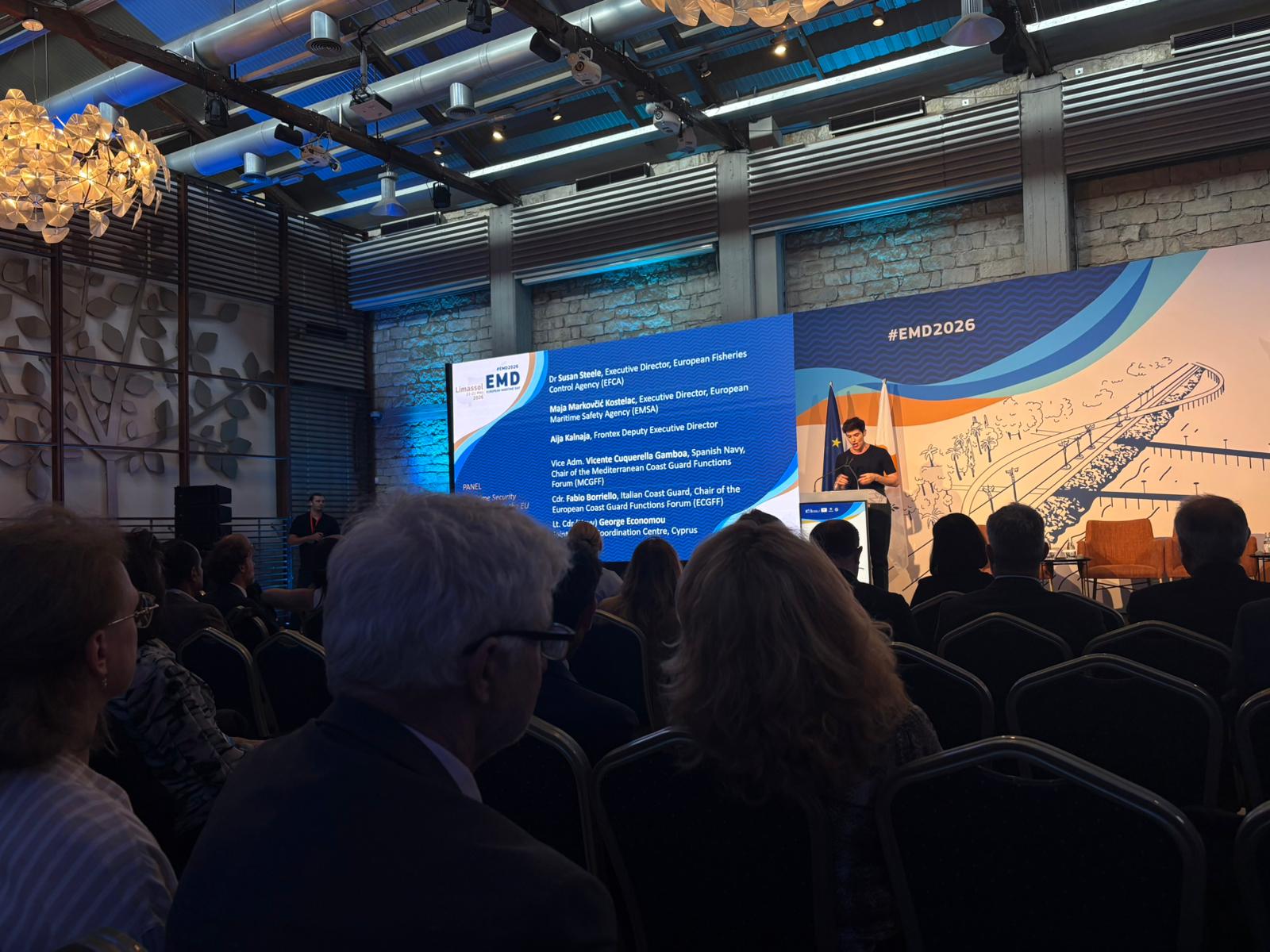
During the panel discussion “Maritime Security Cooperation in the EU”, Aija Kalnaja, Deputy Executive Director for Capabilities at Frontex, emphasised that EU agencies operate not for their own benefit but in the service of the Member States, stressing that cooperation and unity have become essential for the survival of the EU. She underlined that the threats faced by countries such as the Baltic States should be understood as attacks against the EU, making the message of European unity more important than ever. She also stressed the need to future-proof European security capabilities by integrating surveillance systems into a more coherent framework, noting that the EU still lacks a single, unified situational awareness system. In this context, agencies play a crucial role in supporting coordination and information-sharing. Kalnaja further underlined the importance of building long-term partnerships beyond the borders, including with the Western Balkans and North African countries, emphasising that trust and persistent engagement are central to effective cooperation. Finally, she pointed to the growing importance of technology and innovation, while also drawing attention to the continued reliance on non-European, particularly US-based, information exchange capabilities.
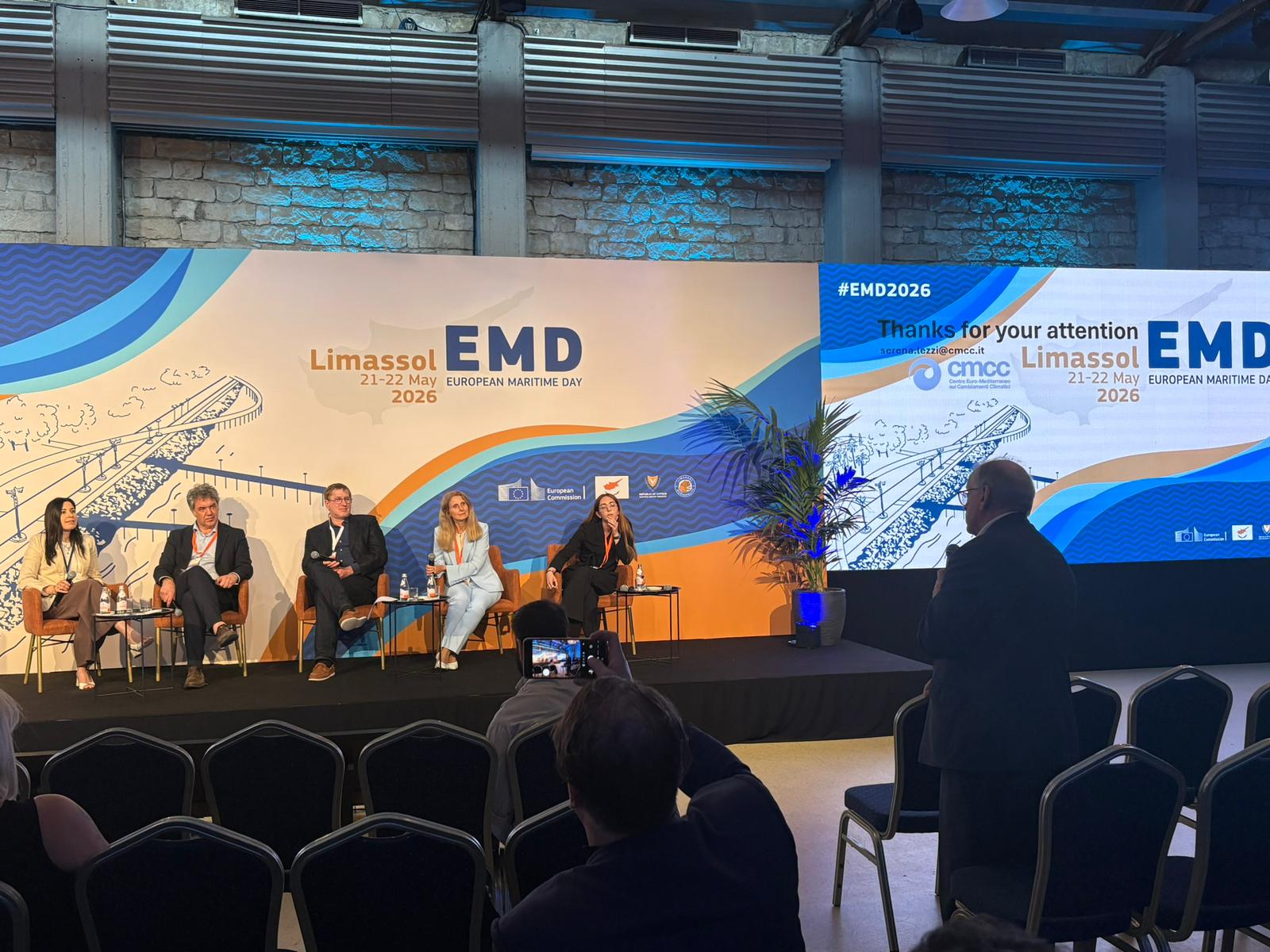
During the workshop “Science and Innovation for Coastal Resilience”, participants were introduced to the GOOS and Ocean Decade Programme CoastPredict and its implementation framework, the GlobalCoast Network. Discussions focused on innovative tools and best practices to strengthen coastal resilience, including improved early warning systems, climate downscaling and digital twins of the coastal ocean, highlighting their potential to support the long-term sustainability of EU coastal and island communities. Participants also had the chance to share their views on priority risks, community needs and opportunities. During the discussion, Enn Eesmaa raised a question on what each of us, within our respective positions, could do to promote the greater application of science and innovation in addressing coastal challenges, thereby encouraging broader reflection on individual and institutional responsibility in advancing resilient coastal governance. In their replies, the speakers underscored the importance of closer cooperation between the scientific community and local stakeholders in strengthening resilience and informing future EU Ocean Pact initiatives and regional strategies.
The European Maritime Day is the annual two-day event during which the maritime community of Europe meets to network, discuss, and outline joint action on maritime affairs and a sustainable blue economy. It provides an engaging and complete interactive experience to catch up on the current state of play on a broad range of issues concerning the blue economy and the marine environment. The next event will take place in 2027 in Santander, Spain.
Read more here.
Photos
© Secretariat of the Baltic Assembly